
Have a look at this data.
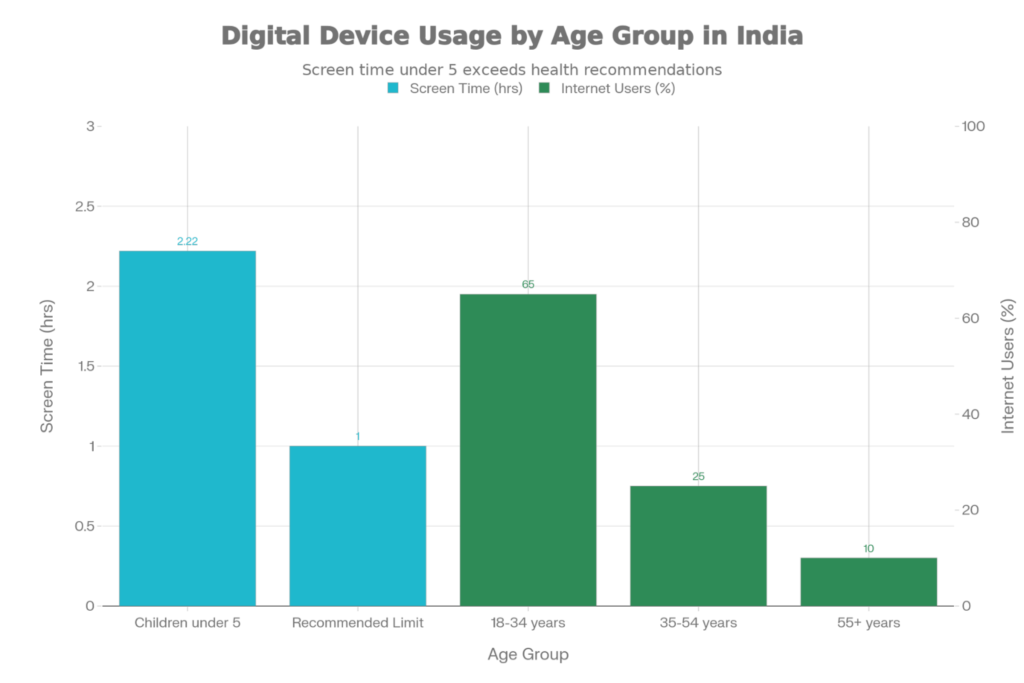
Children aged 1 to 5 and people aged 18 to 34 tend to use digital devices the most.
Lately, young professionals walk in complaining of tired eyes, headaches, and blurry vision in the evening. Sound familiar?
You’re not alone. The chart above shows that children under five are already exceeding recommended screen time limits, averaging 2.22 hours per day. Now think about your workday. Eight hours? Ten hours? More?
Your eyes weren’t designed for this.
When you stare at your laptop all day, you’re asking your eyes to do something unnatural. They’re locked at the same distance. They’re fighting artificial light. They’re forgetting to blink.
And here’s what concerns me as an eye specialist in Wakad: most people don’t realise the damage until it’s already started.
Digital eye strain isn’t just tiredness. It’s a real condition affecting millions of remote workers worldwide.
Your symptoms might include:
Why does this happen? Your eye muscles are constantly working to maintain focus on your screen. Imagine holding a weight at arm’s length for eight hours. That’s what your eyes are doing.
The blue light from your laptop adds another layer of stress. It scatters more easily than other visible light, making your eyes work harder to maintain focus.
Here’s a fact that surprises most of my patients: you blink 66% less when staring at a screen.
Normal blink rate? About 15-20 times per minute.
Screen time blink rate? Around 5-7 times per minute.
Each blink spreads a fresh layer of tears across your eye surface. Fewer blinks mean your eyes dry out. The tears evaporate faster than they’re replaced.
You’ll notice:
Left untreated, dry eye disease can damage your corneal surface. I’ve seen cases where professionals needed prescription eye drops just to get through their workday comfortably.
We used to think nearsightedness only progressed during childhood. New research shows that extended near work can worsen myopia in adults, too.
When you focus on close objects for hours, your eyeball can actually elongate slightly. This physical change makes distant objects appear blurrier.
For children working on tablets for online classes, the risk multiplies. The data shows they’re already crossing healthy screen time limits before they even start school.
This part catches people off guard. Digital eye strain doesn’t just affect how you see. It affects how you look.
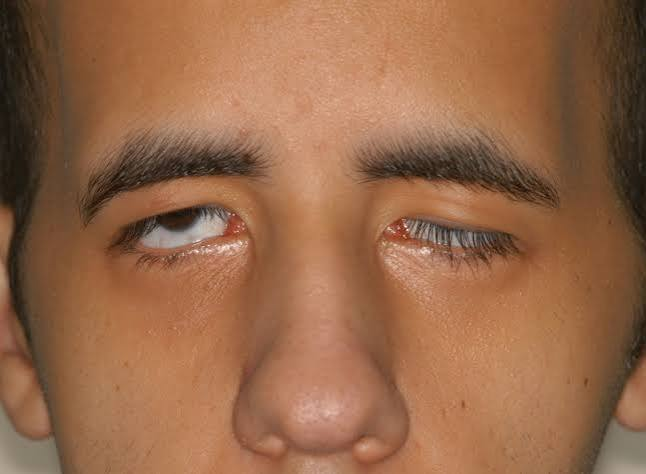
Constant screen fatigue weakens the muscles that lift your eyelids. Over the years, this can lead to noticeable drooping.
Some patients eventually need blepharoplasty (eyelid surgery) to correct severe cases. Prevention is so much easier than correction.

Struggling to read small text? You squint. Bright screen glare? You squint again.
Each squint creates tiny contractions around your eyes. Multiply that by thousands of times daily, year after year. Those laugh lines around your eyes aren’t always from laughing.
The poor posture that comes with prolonged laptop use adds strain to your facial muscles. You lean forward. You tilt your head. Your forehead furrows. All of this accelerates wrinkle formation.
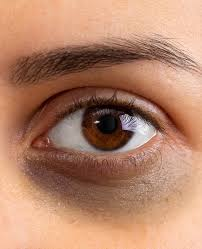
Blue light exposure increases melanin production in the delicate skin around your eyes. This leads to darker pigmentation that’s incredibly stubborn to treat.
Add poor sleep from late-night screen time, and you’ve got a perfect recipe for prominent dark circles. The blood vessels under your thin eyelid skin become more visible.
Screen time often means reduced sleep quality. Even if you’re in bed for 8 hours, exposure to blue light before sleep disrupts your circadian rhythm.
Poor sleep leads to fluid retention around your eyes. You wake up puffy.
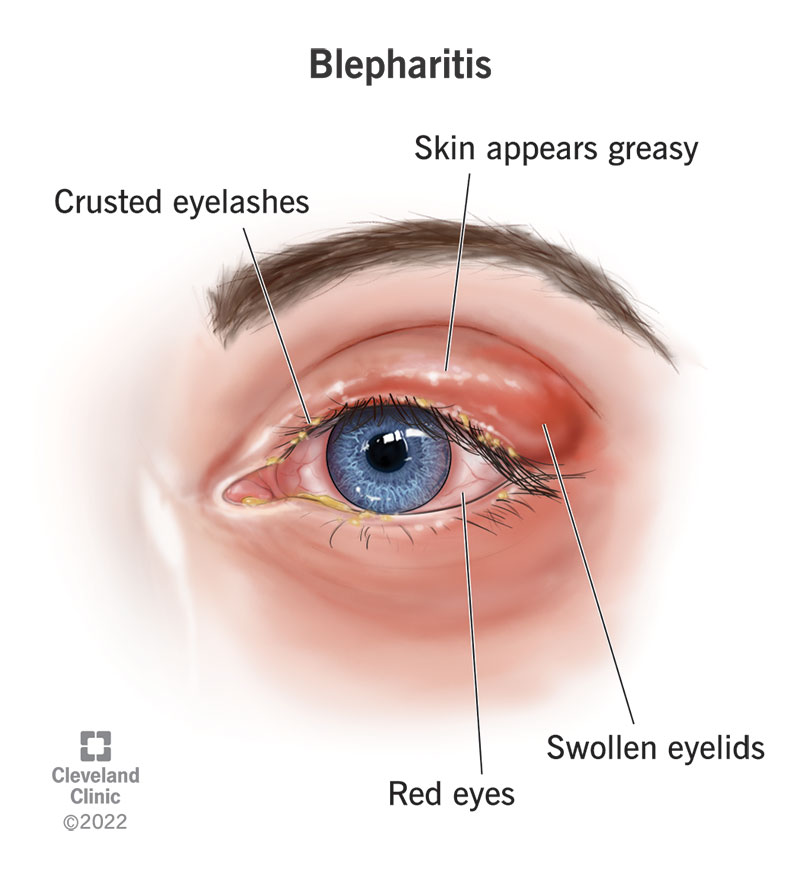
The reduced blink rate also affects the oil glands in your eyelids. These glands can become blocked and inflamed, leading to blepharitis. Your eyelid margins look red and crusty. Your eyes feel irritated all day.
If you take small steps, you can protect your eyes even if you are working on a digital device for 8 hours or more.
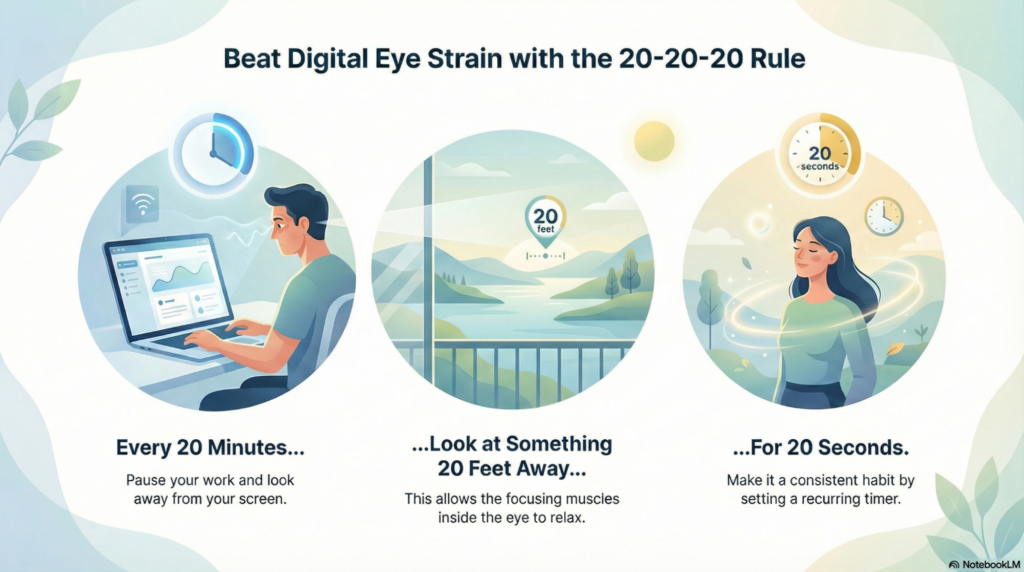
The 20-20-20 Rule
Every 20 minutes, look at something 20 feet away for 20 seconds. Set a timer. Make it non-negotiable.
Look, some things we can’t change – our age, our genetics. But these? These are completely in your hands:
Sounds silly, but it works. Blink completely and deliberately ten times every hour. Your tears will thank you.
Your screen should be slightly below eye level, about an arm’s length away. You should look slightly downward, not straight ahead or upward.
Avoid glare on your screen. Position your laptop perpendicular to the windows. Use ambient lighting that’s softer than your screen brightness.
Enable night mode on your devices. Consider blue light-blocking glasses. They’re not magic, but they help.
Stand up. Walk around. Look out a window. Let your eye muscles relax completely.
Lubricating eye drops can supplement your natural tears. Use preservative-free versions if you need them more than four times daily.
Visit an eye specialist in Wakad annually. We can catch problems early, adjust your prescription if needed, and provide personalised advice for your work setup.
Don’t wait until the problem becomes unbearable. Schedule an appointment if you experience:
At Clarity Eye Care in Hinjewadi, I work with remote professionals every week. We understand the unique challenges you face. We can help optimise your eye health for your digital lifestyle.
Think about this: you rely on your eyes for your livelihood. Every email, every spreadsheet, every video call depends on healthy vision.
The habits you build today determine your eye health tomorrow. Small changes make massive differences over time.
You maintain your car. You update your software. Give your eyes the same attention.
Your future self will see the difference.
Need personalised advice for your screen habits? Book a comprehensive eye examination today. We’re here to help you work smarter, not harder, on your vision.
Your eyes work hard for you. Let’s make sure you’re taking care of them.