
Diabetic Eye Disease Treatment: What Are Your Options?
Table of Contents
Quick Summary
- Diabetic eye disease treatment depends on the type and severity of eye damage caused by diabetes.
- Diabetic retinopathy may require monitoring, anti-VEGF injections, laser treatment or surgery.
- Diabetes can also cause cataracts, glaucoma and diabetic macular oedema, which require different treatments.
- Controlling blood sugar, blood pressure and cholesterol helps protect against diabetic eye complications.
- Regular eye examinations are important because diabetic eye disease may develop without noticeable symptoms
If you’ve been living with diabetes and have been told it can affect your eyes, there’s probably one thing you want to know first: “Can it be treated?”
The answer is yes. But diabetic eye disease treatment isn’t one-size-fits-all because diabetes can affect different parts of the eye in different ways. The National Eye Institute recognises diabetic retinopathy, cataracts and glaucoma as major diabetes-related eye conditions. [National Eye Institute: Diabetic Eye Disease]
Diabetes can damage the blood vessels in the retina, increase the risk of cataracts and glaucoma, and contribute to complications such as diabetic macular oedema, where fluid builds up in the central retina.
So when a patient asks me, “What is the treatment for diabetic eye disease?”, the first thing I want to know is what is actually happening inside the eye. Sometimes that means injections or laser, sometimes surgery, and sometimes careful monitoring and control of the underlying risk factors.
First Things First: Can Diabetic Eye Disease Be Treated At All?
Yes, diabetic eye disease can be treated.
However, the right approach depends on the type and severity of the condition.
To determine the right treatment, an ophthalmologist considers your symptoms, eye examination findings, the part of the eye affected and how advanced the condition is.
“I don’t decide on treatment simply because someone has diabetes or reports blurred vision. I want to know what is happening inside the eye, whether there is active damage and how significant it is. Once we have that information, we can decide whether the eye needs treatment, monitoring or further investigation.”
— Dr. Nitesh Bhalla, Ophthalmologist, Clarity Eye Care
And importantly, having diabetes-related eye changes does not automatically mean you need a procedure. In some cases, regular monitoring and good control of your overall health may be enough.
What Are the Treatment Options for Diabetic Eye Disease?
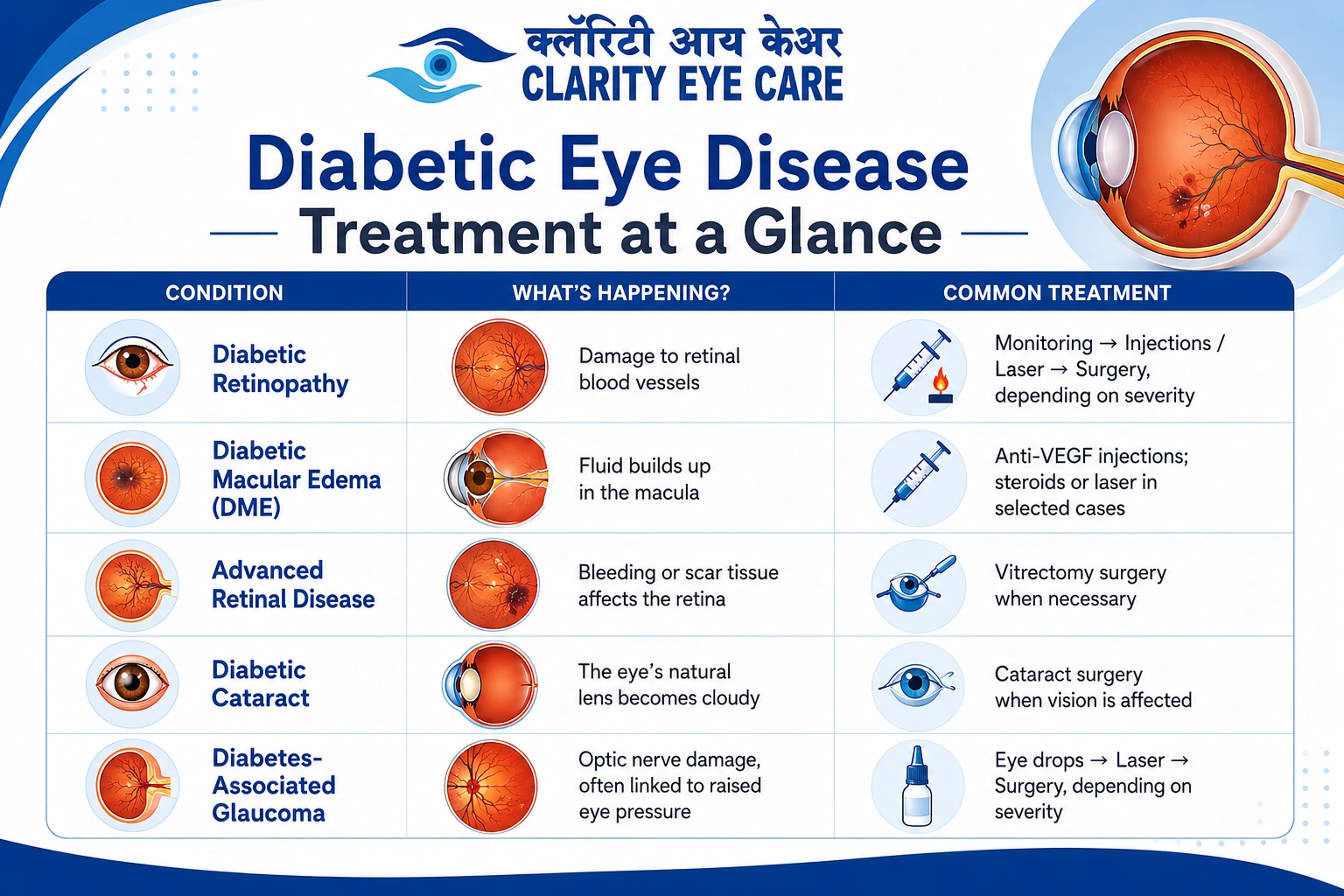
Let’s break this down according to what diabetes may actually be doing to the eye.
Treatment: Monitoring, injections, laser or surgery depending on severity
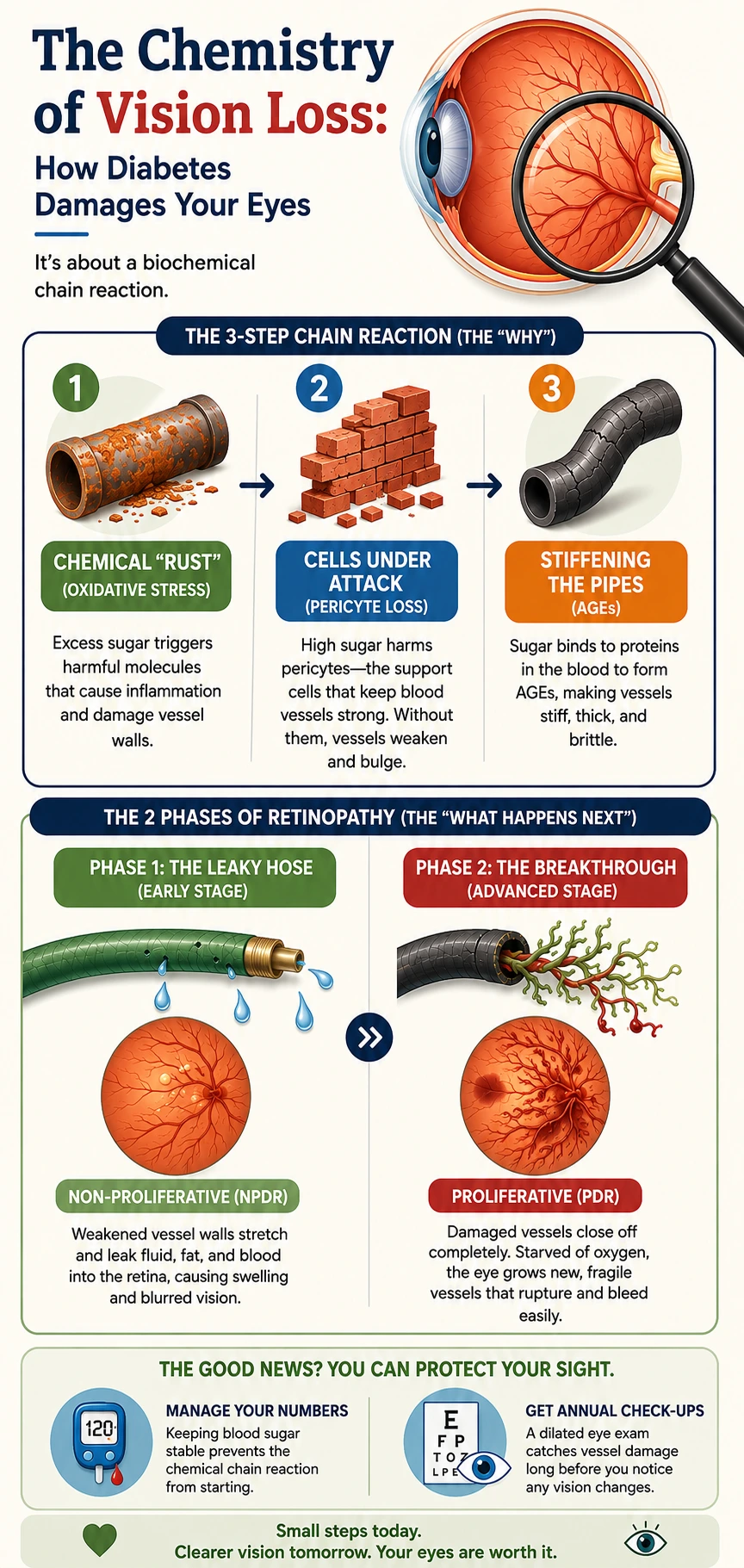
Non-proliferative diabetic retinopathy (NPDR)
Mild diabetic retinopathy
Treatment: Monitoring + control of risk factors
At this stage, you may not need an injection or laser treatment at all. Instead, your ophthalmologist may recommend regular retinal examinations while you work with your physician to manage:
- Blood glucose
- Blood pressure
- Cholesterol
Moderate diabetic retinopathy
Treatment: Closer monitoring + medical risk-factor control
As retinal blood vessel damage increases, follow-up becomes more important. Moderate or worse NPDR should be evaluated by an ophthalmologist experienced in diabetic retinal disease because the risk of progression increases.
Severe diabetic retinopathy
Treatment: Close monitoring and treatment when indicated
Severe NPDR means there is extensive retinal vascular damage and a greater risk of progressing to proliferative disease.
In selected cases, treatment may be considered to reduce the risk of progression and vision loss. The decision depends on the retinal findings rather than the label of “severe” alone.
Proliferative diabetic retinopathy
Treatment: Anti-VEGF injections, laser or both
This is an advanced stage of diabetic retinopathy.
When parts of the retina don’t receive enough oxygen, the eye can grow abnormal new blood vessels. These vessels are fragile and can bleed, potentially causing significant vision loss.
Treatment may include:
- Anti-VEGF injections to suppress abnormal blood vessel growth
- Panretinal photocoagulation (PRP) to reduce the risk of severe vision loss
- Both treatments, depending on the individual situation
PRP remains an important treatment for high-risk proliferative diabetic retinopathy, while anti-VEGF injections are an established alternative for selected patients.
One practical point is often overlooked: anti-VEGF treatment requires regular follow-up and repeated treatment in many patients. That can influence the treatment decision when comparing it with laser. [ADA Standards of Care in Diabetes]
2. Diabetic Macular Oedema
Treatment: Anti-VEGF injections, with other options in selected cases
Diabetic macular oedema (DME) occurs when damaged retinal blood vessels leak fluid into the macula, affecting central vision.
When the swelling involves the centre of the macula and affects vision, anti-VEGF injections are generally the first-line treatment. Some patients with good vision may be monitored initially. If DME persists or anti-VEGF isn’t suitable, steroids or laser treatment may be considered.
3. Advanced Diabetic Retinal Disease
Treatment: Vitrectomy surgery when necessary
Sometimes diabetic retinopathy progresses to complications that cannot be adequately managed with injections or laser alone.
In such situations, a retinal surgeon may recommend vitrectomy surgery to remove the vitreous gel, clear blood, and address traction or other retinal complications.
Surgery isn’t the usual first step for diabetic eye disease. It is generally reserved for more advanced complications.
4. Cataracts Associated With Diabetes
Treatment: Cataract surgery when vision is affected
Diabetes doesn’t only affect the retina. People with diabetes are also more likely to develop cataracts, sometimes at a younger age. A cataract occurs when the eye’s natural lens becomes cloudy.
If it starts affecting reading, driving or other daily activities, cataract surgery may be recommended. The cloudy lens is removed and replaced with an artificial intraocular lens.
One important point: blurred vision in someone with diabetes isn’t always a cataract. The retina should also be checked, as cataracts and diabetic retinopathy can occur together.
5. Glaucoma Associated With Diabetes
Treatment: Eye drops, laser or surgery depending on the condition
Diabetes is associated with a higher risk of open-angle glaucoma. Glaucoma damages the optic nerve and can gradually affect peripheral vision. Treatment aims to lower eye pressure and protect the optic nerve.
Depending on the type and severity, this may involve:
- Prescription eye drops
- Laser treatment
- Glaucoma surgery
Advanced diabetic retinal disease can also cause a particularly serious form called neovascular glaucoma, where abnormal blood vessels grow into parts of the eye involved in fluid drainage.
In that situation, treating the underlying retinal disease is also an important part of controlling the glaucoma.
What Is the Best Treatment for Diabetic Eye Disease?
There isn’t one treatment that is best for everyone.
And this is where a proper eye examination matters more than simply looking up a treatment online.
At Clarity Eye Care, Wakad, Pune, we carefully examine the eye to determine which structure is affected, how advanced the condition is, and whether the retina, macula, lens, or optic nerve is involved before recommending treatment.
So instead of asking, “What is the best diabetic eye disease treatment?”, you must ask:
“What treatment is right for what is happening in my eyes?”
That is a much more useful question, and one that an eye examination can answer.
When Should I Seek Diabetic Eye Disease Treatment?
Don’t wait until your vision becomes noticeably poor.
Early diabetic retinopathy often has no symptoms, which is why waiting for vision changes before having an eye examination can mean missing disease in its earlier stages. [National Eye Institute: Diabetic Retinopathy]
However, diabetic eye disease symptoms that should prompt an eye assessment include:
- New or worsening blurred vision
- Difficulty reading or seeing clearly
- New floaters or dark spots
- Flashes of light
- Distorted central vision
- A sudden change in vision
- Missing areas of vision
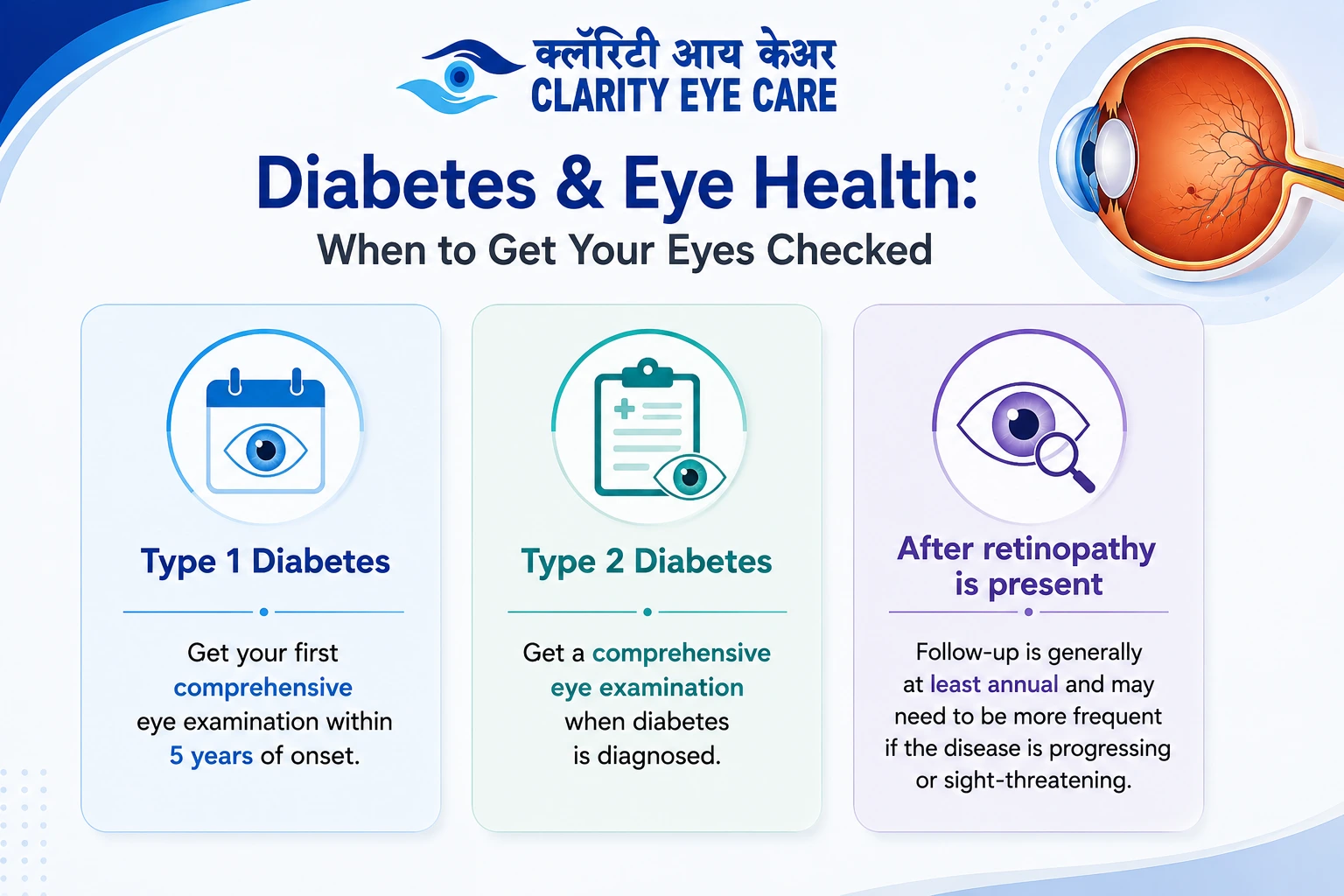
Is It Possible to Completely Reverse Diabetic Eye Disease?
Sometimes treatment can significantly improve the problem, but complete reversal isn’t guaranteed.
For example, treatment can reduce diabetic macular oedema and control abnormal blood vessel growth. Cataract surgery can remove a cloudy lens and restore clearer vision when cataract is the main problem.
However, established damage to the retina or optic nerve may not be completely reversible.
That is why the goal isn’t simply to treat vision loss after it happens. The bigger goal is to identify diabetes-related eye changes early and protect your vision before permanent damage occurs.
How Can I Control Diabetic Eye Disease in the First Place?
Protecting your eyes starts with managing diabetes well, but regular eye checks are just as important. Some diabetic eye problems can develop without affecting your vision at first.
Keep blood sugar under control to reduce the risk of diabetic eye complications.
Manage blood pressure to protect the tiny blood vessels in the retina.
Keep cholesterol in check to reduce vascular complications.
Don’t skip eye examinations, even if your vision seems perfectly normal.
Diabetic Eye Disease Treatment at Clarity Eye Care, Wakad, Pune
If you have diabetes, don’t wait until your vision starts interfering with your daily life before getting your eyes examined.
At Clarity Eye Care in Wakad, Pune, we look beyond just checking whether you can see clearly. We assess the retina, macula, lens and optic nerve to understand whether diabetes has affected your eyes and, if it has, what needs to be done.
Sometimes that means monitoring.
Sometimes it means injections or laser treatment.
Sometimes cataract or glaucoma treatment is more appropriate.
And in advanced retinal disease, surgery may be necessary.
A comprehensive assessment may include visual acuity testing, dilated retinal examination and retinal imaging such as OCT, where indicated.
The important thing is that your treatment should be based on what we actually find in your eyes, not on a one-size-fits-all approach to diabetes.
Frequently Asked Questions
No. Having diabetes increases the risk, but not everyone develops a vision-threatening eye complication. Good diabetes management and regular eye examinations can help reduce the risk and identify problems early.
Yes. Diabetes increases the risk of cataracts and can cause them to develop at a younger age.
Yes. Diabetes is associated with an increased risk of open-angle glaucoma and can also contribute to neovascular glaucoma in advanced retinal disease.
Yes. Advanced diabetic retinopathy, glaucoma and other diabetes-related eye complications can cause permanent vision loss. Early detection and appropriate treatment can significantly reduce this risk.
Not necessarily. Some treatments, particularly injections for diabetic macular oedema, may need to be repeated. Other treatments, such as cataract surgery, address a specific structural problem. Follow-up remains important because diabetes can continue to affect the eyes.