
An eye is a jewel of our body. But do we really take care of it, the way we should? During festivals, we use makeup, which can sometimes be harsh on our skin and even damage our eyes.
As an ophthalmologist in Hinjawadi, Pune, I frequently see patients who develop allergies or skin infections after the festive season, often due to eye makeup.
To help you take care of your eyes during festive seasons and use eye makeup safely, I am writing this blog.
Many of my patients come to me saying, “Doctor, it’s just a little redness,” or “My eyes are slightly itchy, it will go away.” But what starts as minor discomfort can sometimes signal a more serious problem.
The delicate skin around our eyes is thinner than the rest of our face – almost 10 times thinner! This makes it extremely sensitive to the chemicals present in makeup products.
When we apply kajal, eyeliner, mascara, or eyeshadow, we’re introducing foreign substances very close to one of our body’s most sensitive organs.
Let me share what I commonly observe in patients who come to our clinic in Hinjawadi:
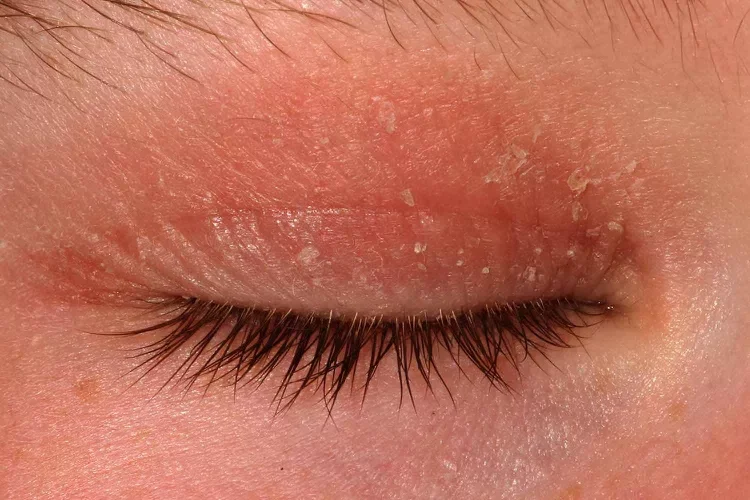
This appears as red, itchy, and sometimes swollen eyelids. It happens when your skin reacts to ingredients in makeup products. The eyelids may become dry, flaky, or even develop small bumps.
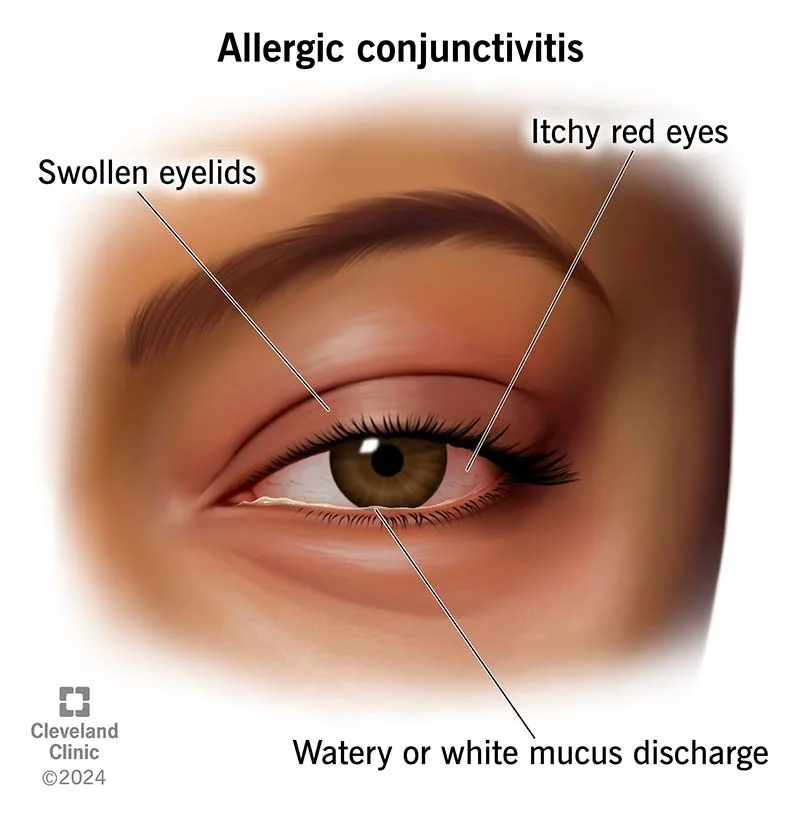
Your eyes become red, watery, and itchy. You might feel a burning sensation. This occurs when allergens from makeup enter your eyes, causing the conjunctiva (the clear membrane covering your eye) to become inflamed.
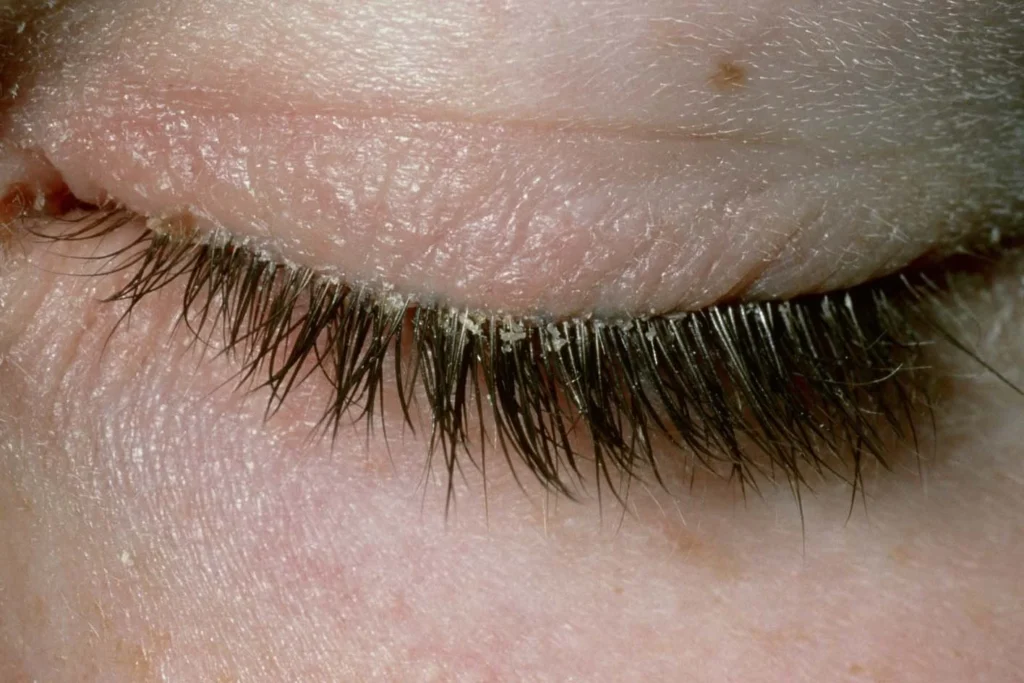
This is inflammation of the eyelid margins. Makeup residue can clog the tiny oil glands along your eyelid, leading to crusty eyelids, especially in the morning. Your eyes may feel gritty, as if there’s sand in them.
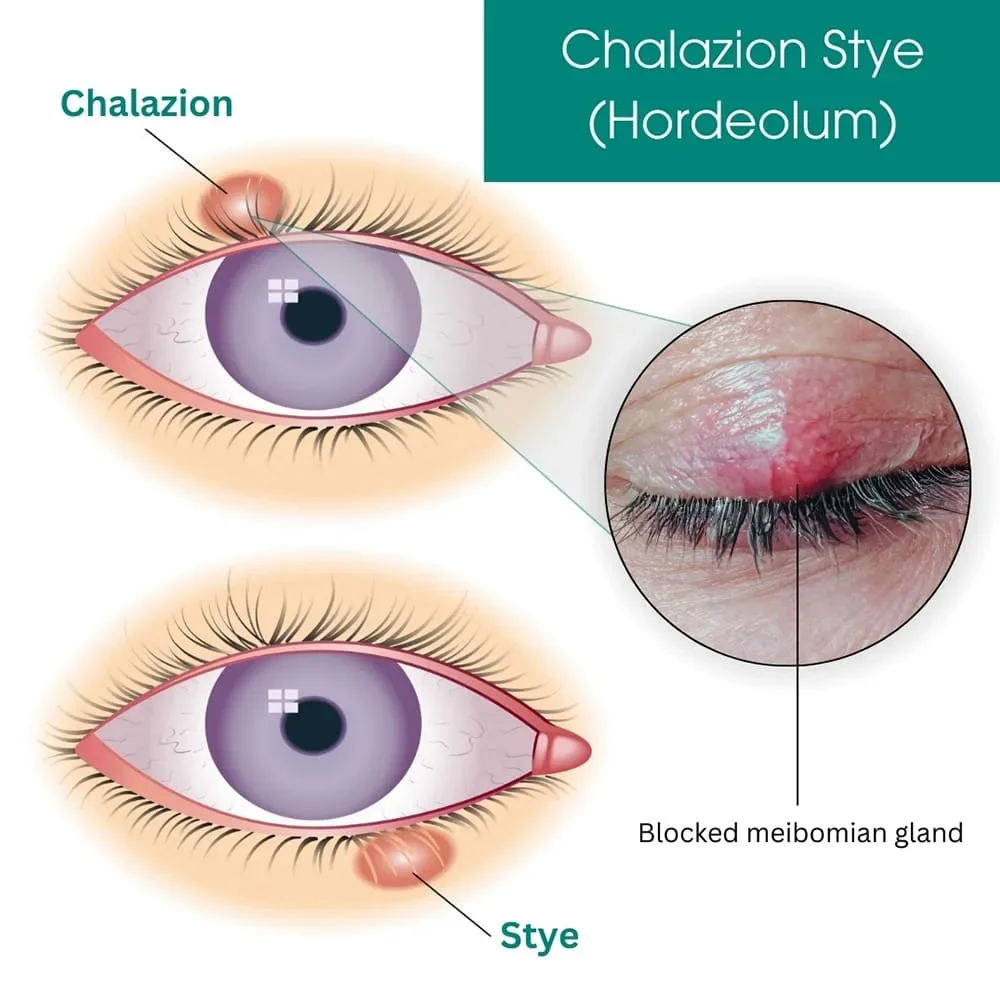
These are painful lumps that form on your eyelid when oil glands get blocked by makeup particles. A stye can be quite uncomfortable and may require medical treatment.
This is the most serious concern. Particles from eye makeup, especially glitter or old, contaminated products, can scratch your cornea. This can lead to infections and, in severe cases, affect your vision.
What makes eye makeup potentially harmful? Let me explain:
As a doctor, I always tell my patients: you wouldn’t put something harmful in your mouth, so why put it near your eyes? Let me help you understand what goes into your makeup products.
When you’re shopping for eye makeup, read the ingredient list carefully. Here are the substances you should avoid:

Now, let me tell you what makes eye makeup safer:

When you’re at the store, choose products with these certifications or labels:
Traditional kajal often contains lead and other harmful substances. In my practice in Hinjawadi, I’ve seen several cases of lead toxicity from using homemade or unregulated kajal products. If you prefer kajal:
Here’s a quick test for Kajal: Apply a small amount on the back of your hand. If it leaves a greyish residue that doesn’t wash off easily with water, it likely contains lead or other heavy metals. Safe kajal should wash off more easily.
How to Read Ingredient Lists
|
Here’s what I recommend to all my patients:
Don’t ignore these warning signs:
At our clinic in Hinjawadi, we encounter preventable eye problems daily. Many of these could have been avoided with proper eye makeup hygiene and awareness.
Your eyes are precious – they allow you to see the beautiful world around you, recognise your loved ones, and perform your daily tasks.
In festive seasons, look beautiful while staying safe. Choose your eye makeup products wisely, use them correctly, and most importantly, listen to what your eyes are telling you.
No amount of makeup is worth compromising your eye health. If you experience any discomfort or unusual symptoms, don’t wait. Visit an eye specialist promptly.
Stay beautiful, stay safe, and keep your eyes healthy!